Red Light Therapy Mats and Blankets
Red Light Therapy for Neuropathy: Clinical Evidence and Relief at Home
For people living with peripheral neuropathy, pain, numbness, tingling, or burning in the feet, legs, and hands can persist despite a limited range of treatments. Even when medication eases symptoms, the relief can be incomplete and side effects can be substantial. Those limitations help explain the interest in adding photobiomodulation to existing care. Under defined treatment protocols, several peer-reviewed trials have measured improvements in pain scores, sensation, and nerve conduction. The guide examines the proposed effects of near-infrared light on peripheral nerves, the outcomes and treatment periods in key studies, the neuropathy types investigated, and the practical differences between the Luscent Red mat and blanket. It also explains the precautions that matter when diabetes, reduced sensation, or medication affects how safely a device can be used.
Clinically Reviewed
Using Red Light Therapy at Home for Neuropathy: The Clinical Research Explained
Understanding Peripheral Neuropathy
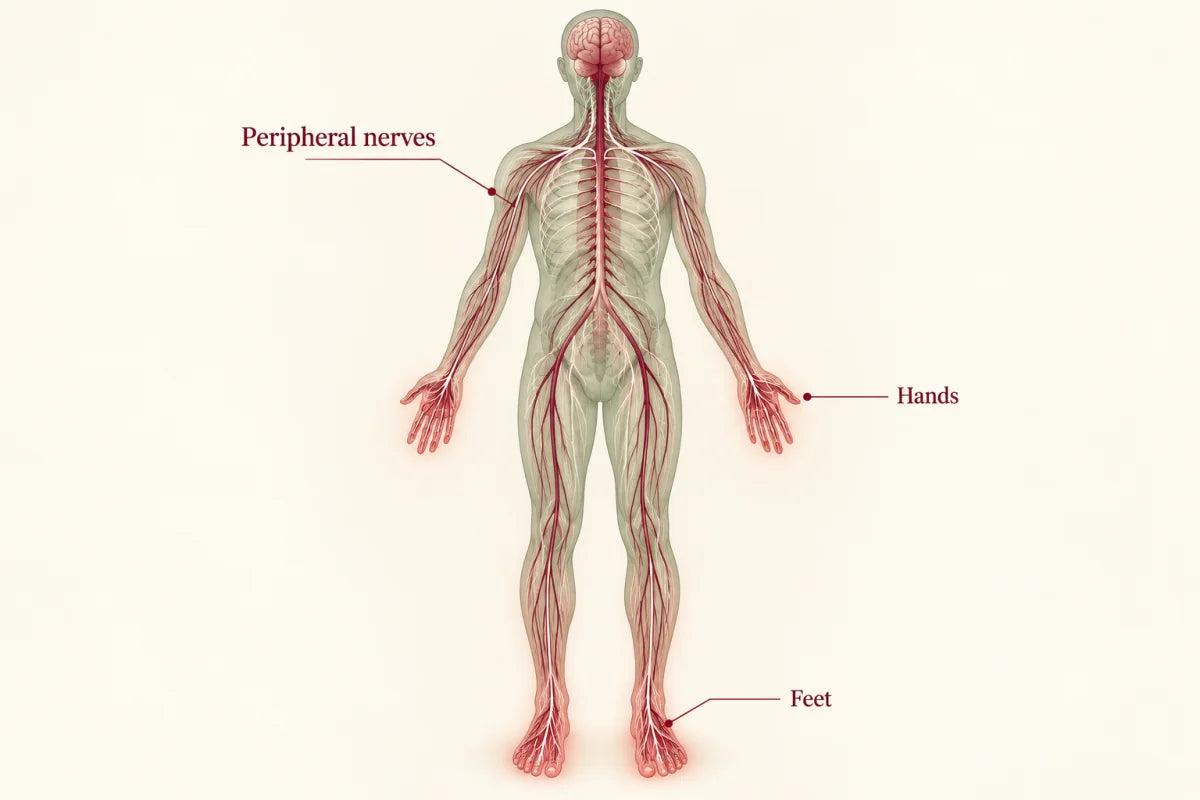
The nerves outside the brain and spinal cord form the peripheral nervous system, carrying sensory and motor messages between the central nervous system, limbs, and organs; peripheral neuropathy develops when these nerves are damaged or function abnormally. Disrupted nerve messages can cause pain, tingling, numbness, and burning, with more severe damage also leading to weakness or impaired coordination.
Common causes include:
- Diabetic peripheral neuropathy (DPN): Diabetes is the leading cause worldwide, with neuropathy estimated to develop in 50% of people with diabetes over time. Over time, high blood glucose injures nerve fibers and their blood supply, including the tiny vessels known as the vasa nervorum.
- Chemotherapy-induced peripheral neuropathy (CIPN): Some chemotherapy medicines, especially platinum-based agents and taxanes, can injure sensory nerve fibers and leave lasting damage.
- Idiopathic neuropathy: Around 30% of cases in older adults have no identifiable cause and are described as idiopathic.
- Additional causes include autoimmune disease, vitamin B12 deficiency, alcohol use, thyroid disorders, and inherited conditions.
A "stocking-glove" pattern often begins in the feet and lower legs before symptoms reach the hands. Care usually aims to control symptoms, limit further progression, and treat an identifiable underlying cause.
How Red and Near-Infrared Light May Affect Nerves
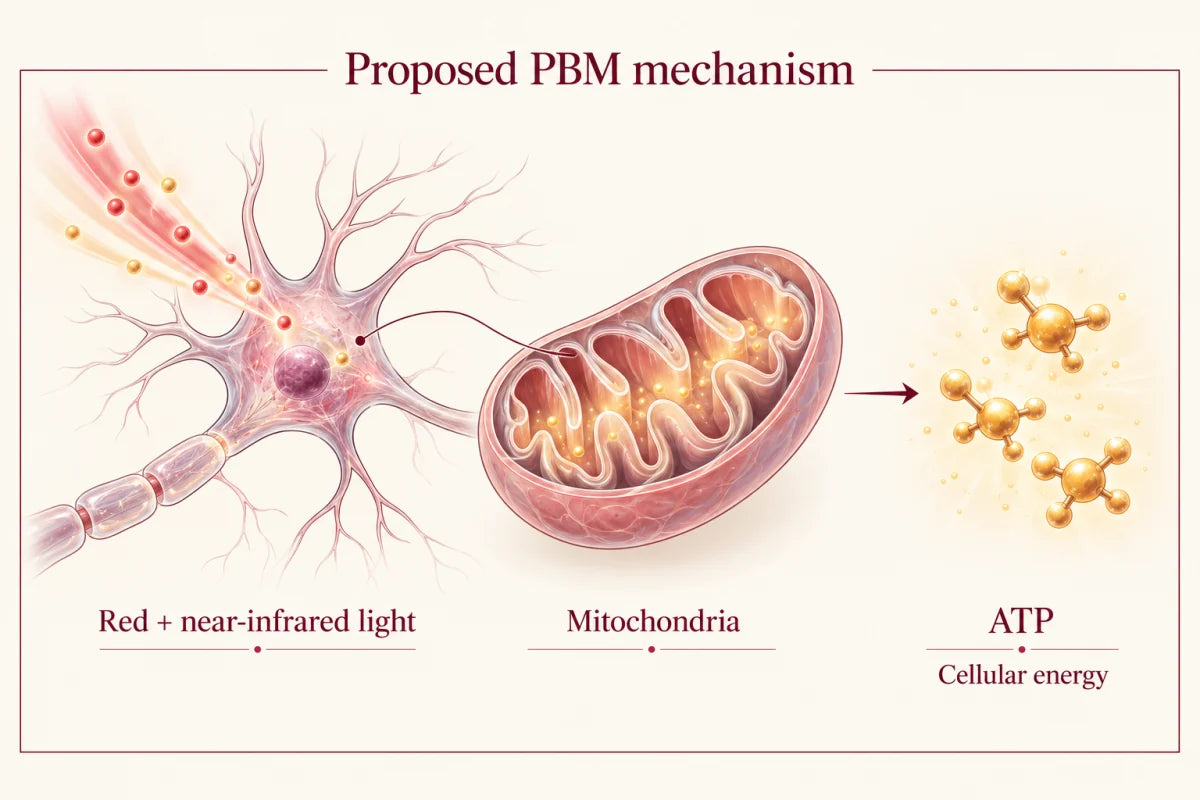
Four proposed biological pathways help explain why red and near-infrared photobiomodulation (PBM) is being investigated for peripheral nerves:
Within nerve-cell mitochondria, cytochrome c oxidase may interact with 660-850nm light and influence the production of ATP, the cell's energy supply. Mitochondrial function is often impaired in damaged peripheral nerves; in diabetic neuropathy, metabolic stress particularly affects the mitochondria of Schwann cells and axons (Hamblin, 2017).
The tissues surrounding the small vessels that feed peripheral nerves may be reached by near-infrared light at 810-850nm. By influencing nitric oxide release and blood-vessel widening, PBM may improve local blood flow. Poor circulation through the vasa nervorum contributes to the progression of diabetic neuropathy.
Experimental research has found that PBM can lower inflammatory cytokines such as TNF-α and IL-1β, which rise in neuropathic pain states and contribute to continuing nerve injury. Lowering inflammation around nerves may reduce pain signaling and help limit the progression of neuropathic symptoms (Hamblin, 2017).
After peripheral nerve injury, an animal study found that red LED exposure promoted nerve regeneration (Ishiguro et al., 2010). Human studies reporting faster nerve conduction have yet to establish structural nerve regeneration, leaving the evidence for repair in people incomplete.
Results From the Clinical Studies
Researchers brought together the clinical literature on PBM for diabetic peripheral neuropathy in a peer-reviewed systematic review. Across the included studies, the authors described faster nerve conduction and lower neuropathic pain scores. Their conclusion identified PBM as a promising addition to DPN care and called for further investigation because study designs and treatment protocols differed. Eight studies contributed to this review of a developing field.
Patients with chemotherapy-induced peripheral neuropathy (CIPN) received active PBM or sham treatment in a randomised controlled trial. At the four- and eight-week assessments, modified Total Neuropathy Scores fell by 32.4-52.6% in the active-treatment group, while the sham group showed little change (p<0.001). The controlled finding is relevant to CIPN, a condition with few effective treatment options.
Over eight weeks, a controlled trial applied pulsed infrared light to the feet of people with long-standing diabetic peripheral neuropathy. Testing with Semmes-Weinstein monofilaments found a significant improvement in peripheral sensation compared with controls. Participants received 24 treatments during those eight weeks; that schedule does not define a minimum treatment period for neuropathy.
A study in Diabetes Care investigated PBM applied to the feet in diabetic neuropathy. Compared with control, monofilament sensation, pain, and balance improved in the subgroup with less severe sensory loss, giving early controlled evidence of symptom change; the subgroup with severe sensory loss had no significant improvement.
The findings are mixed when considered together: pain and objective nerve measures improved in several trials, whereas one sham-controlled infrared trial found no significant neuropathy benefit. Diabetic peripheral neuropathy has the largest evidence base, with chemotherapy-induced neuropathy studied less extensively. For idiopathic neuropathy, limited trial data leave the proposed mechanisms insufficient to establish a clinical benefit.
How the Evidence Differs by Neuropathy Type
| Neuropathy Type | Evidence Level | Proposed Mechanism | Notes |
|---|---|---|---|
| Diabetic peripheral neuropathy (DPN) | Mixed findings from trials and a systematic review | Circulation in nerve-supplying vessels; mitochondrial activity | Continue prescribed blood glucose management during PBM use |
| Chemotherapy-induced (CIPN) | Early clinical evidence, including the Argenta trial | Inflammatory signaling; axonal support | Discuss use with the oncology team and match the evidence to the chemotherapy received |
| Idiopathic neuropathy | Few diagnosis-specific trials; mechanistic rationale | Inflammatory signaling; local circulation | Have the underlying cause investigated before adding PBM |
| Autoimmune neuropathies | Too little condition-specific evidence | Inflammatory signaling | Plan any use with the treating rheumatologist or neurologist |
| Carpal tunnel syndrome | A separate evidence base for a compressed local nerve | Reduced inflammation around the compressed nerve | Hand and wrist positioning needs condition-specific clinical guidance |
Choosing a Mat or Blanket for the Affected Area
Start by identifying where symptoms occur before choosing the mat or blanket layout. The amount of light reaching the skin changes with distance and positioning, making the intended body area and the product instructions central to either setup.
Plan the Lower-Leg Position
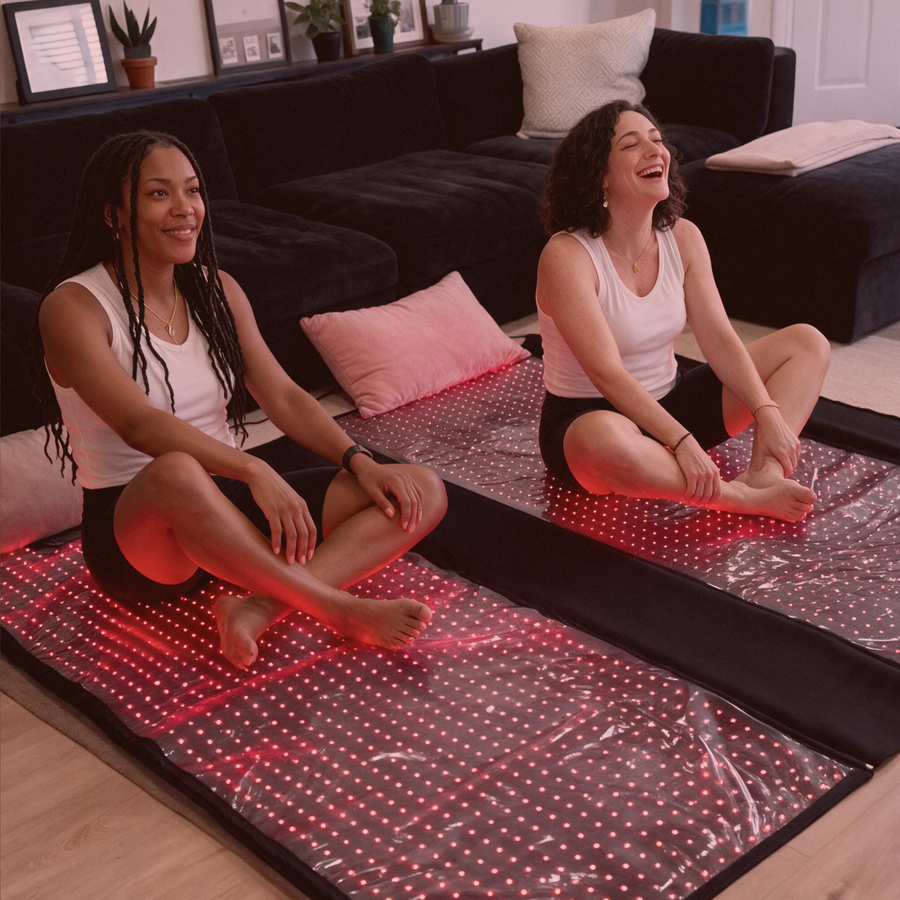
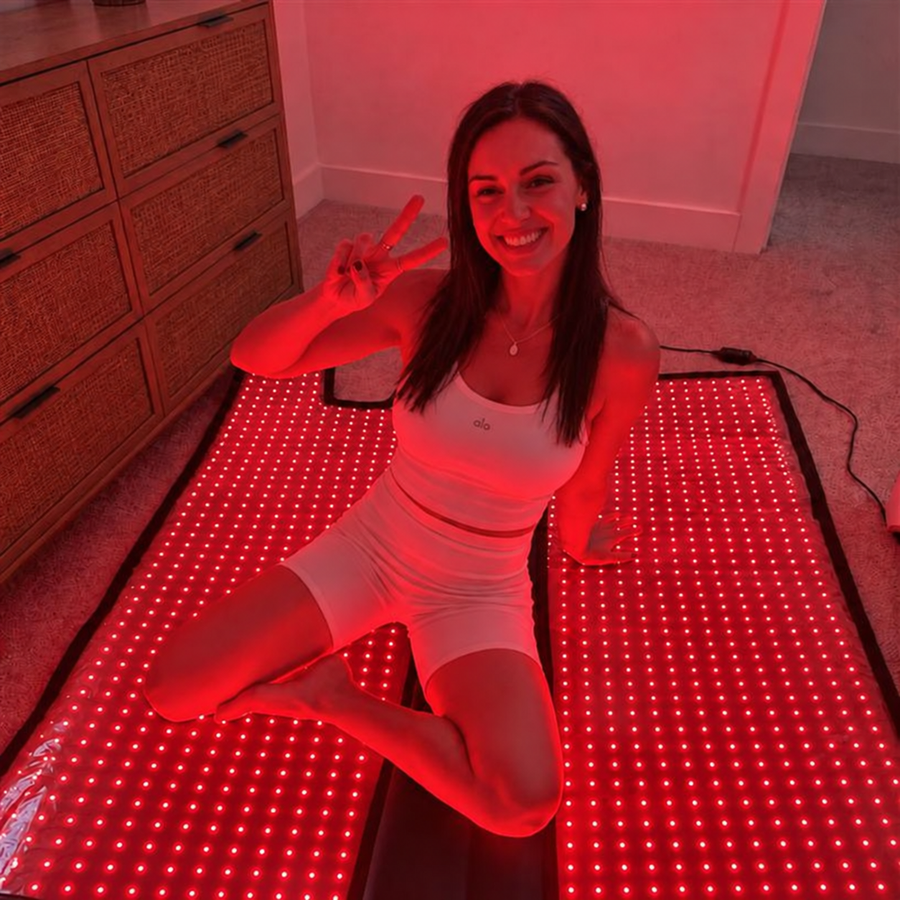
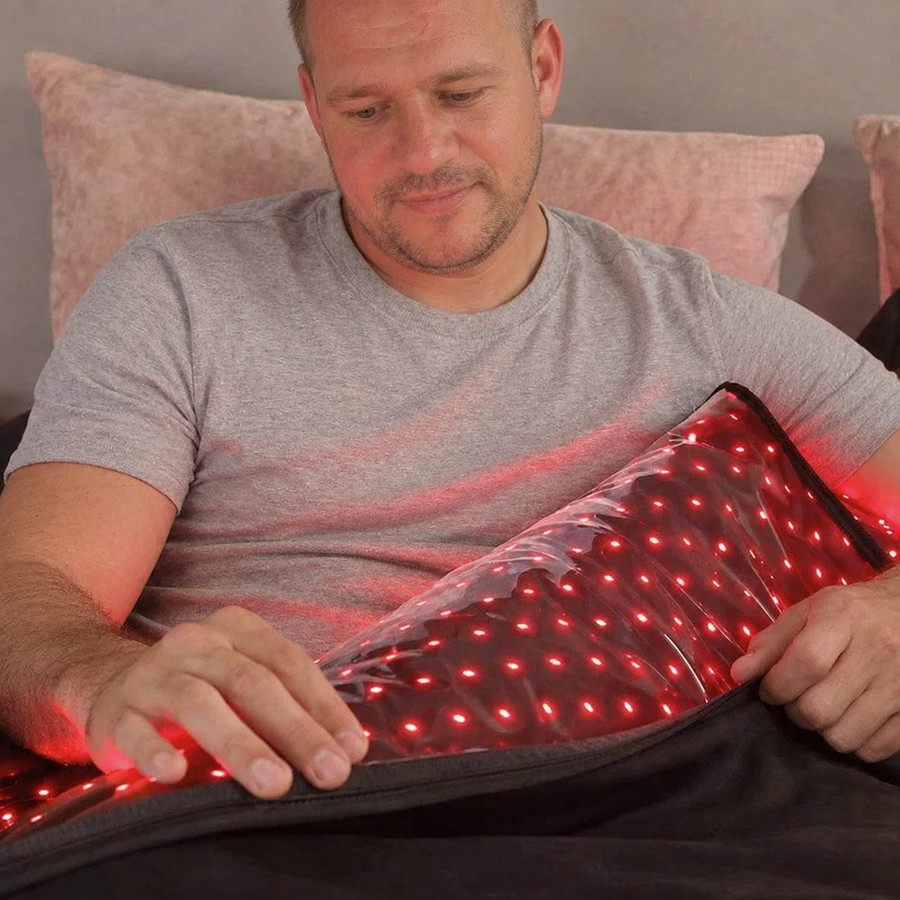
The toes, soles, feet, and ankles are common sites of neuropathy symptoms. With either Luscent Red format, arrange the intended skin toward the illuminated surface as the instructions allow. Check the position of the soles and toes individually, because a large light surface does not place every part of the foot at the same angle or distance.
Keep the Hands Comfortable
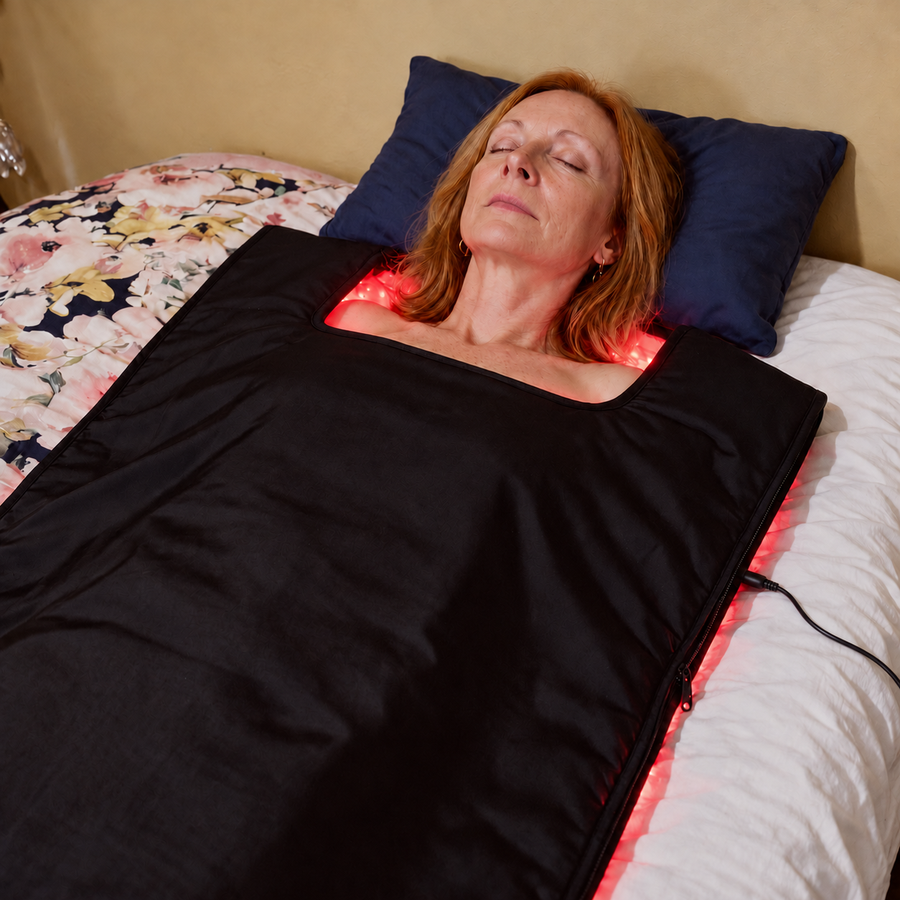
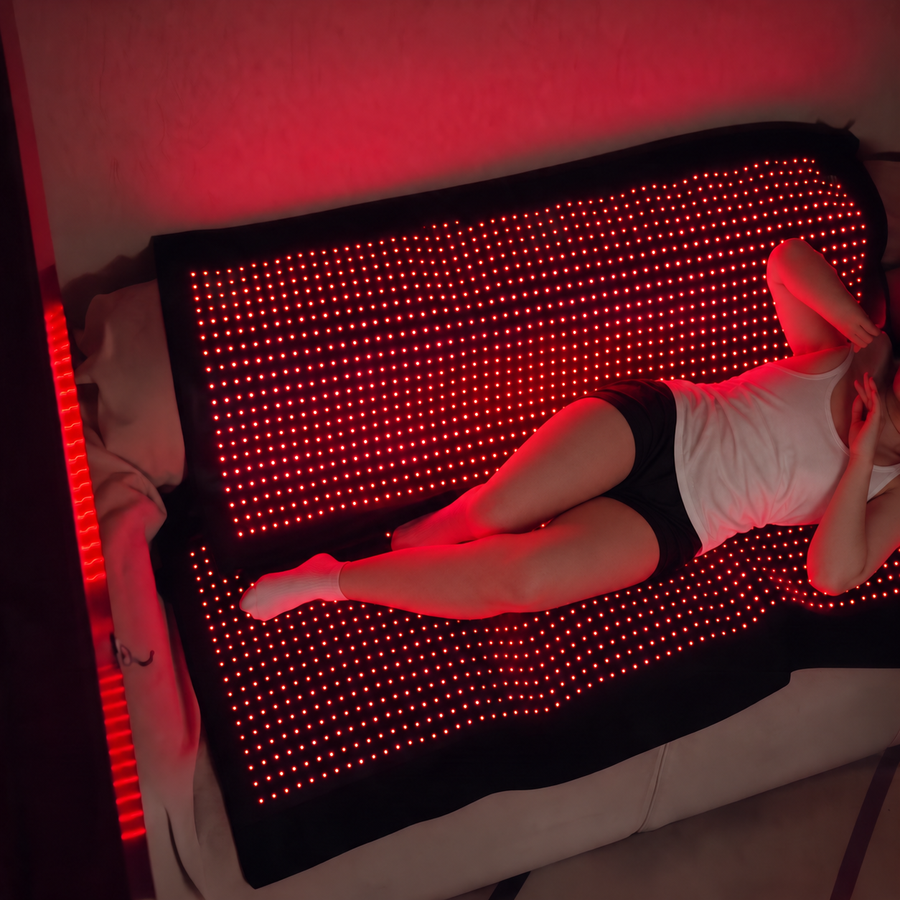
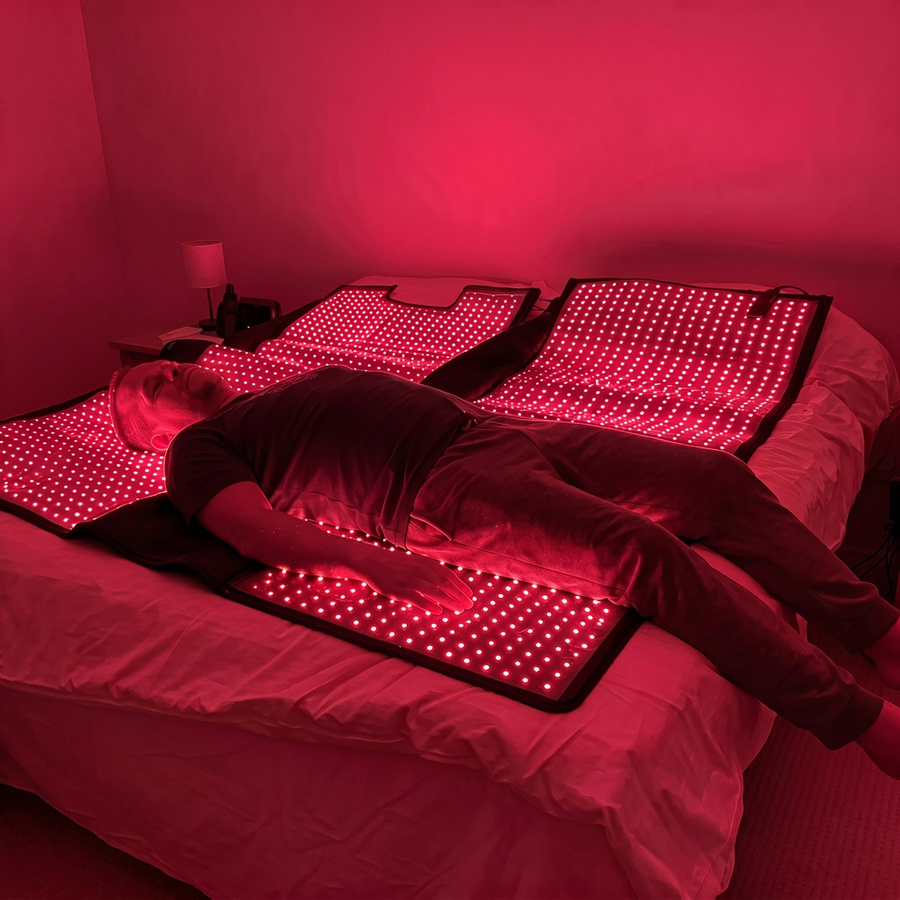
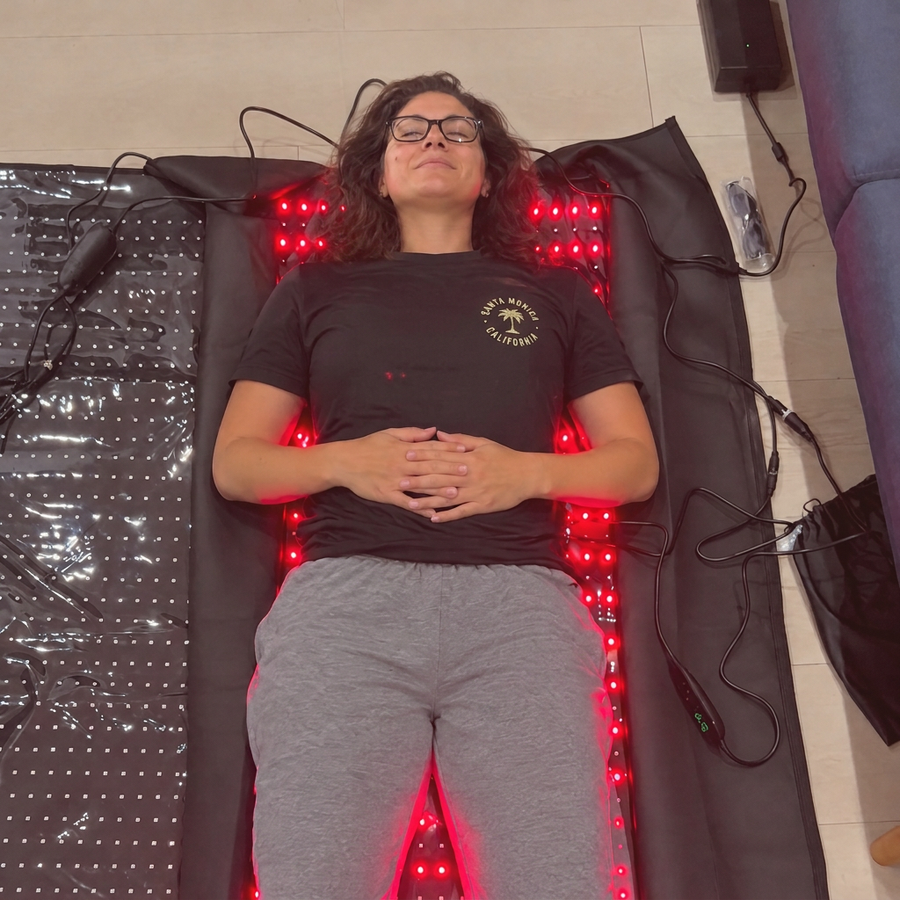
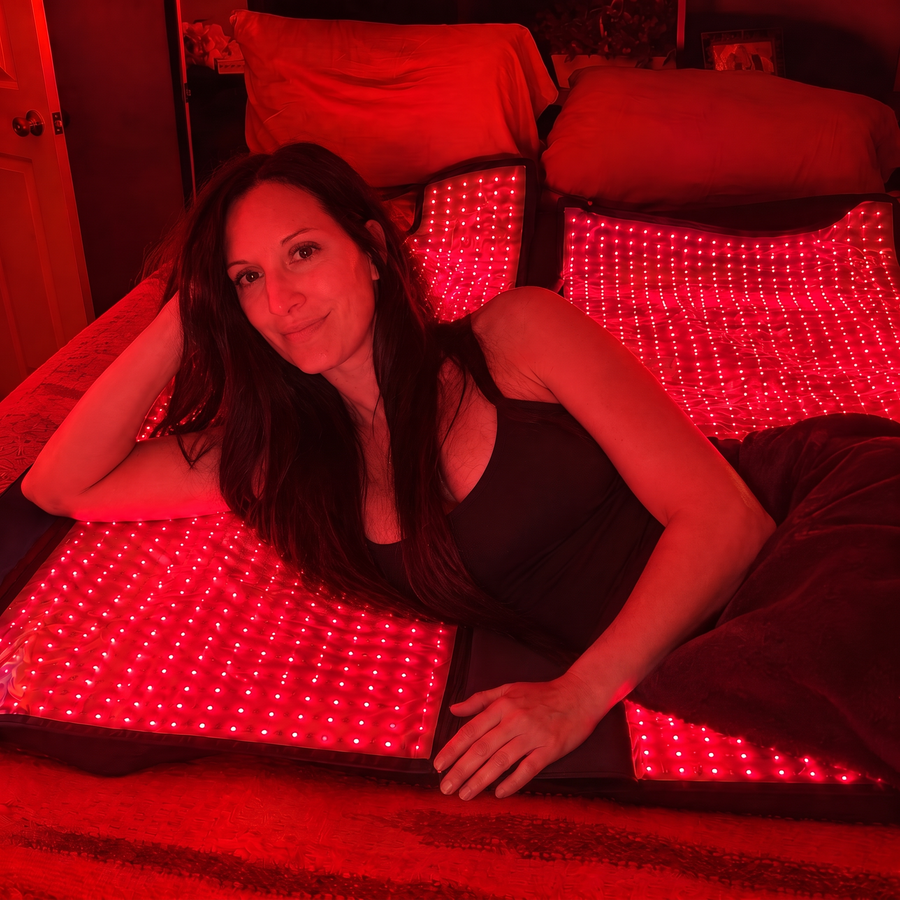
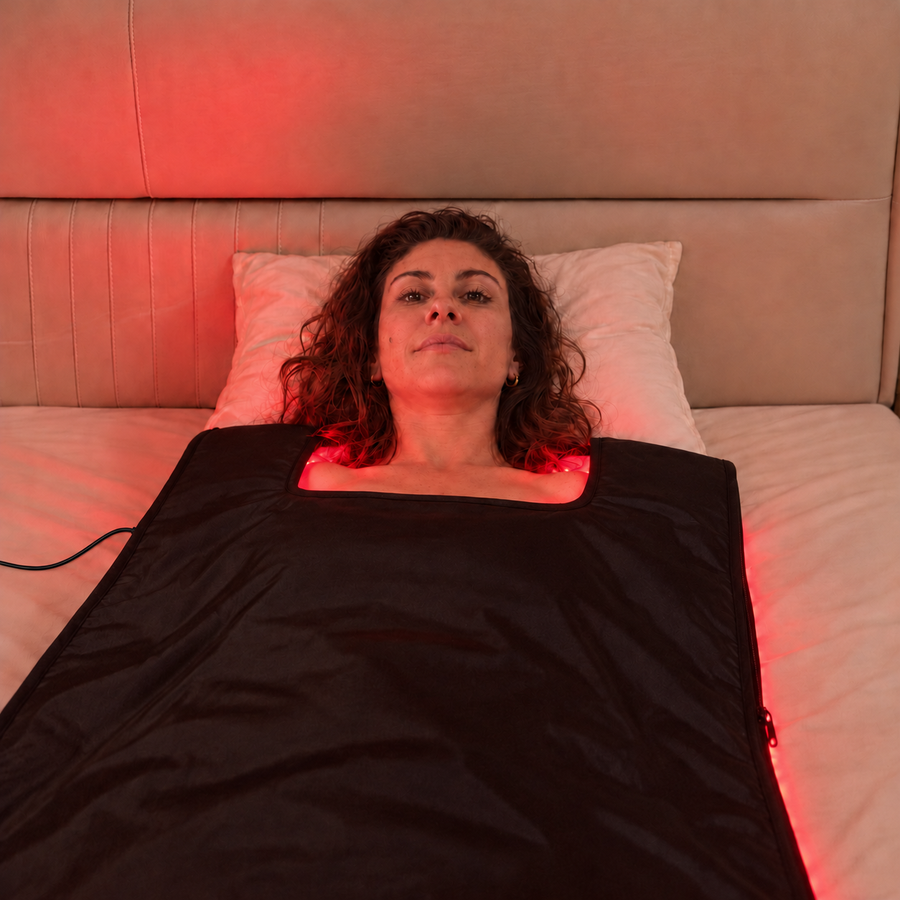
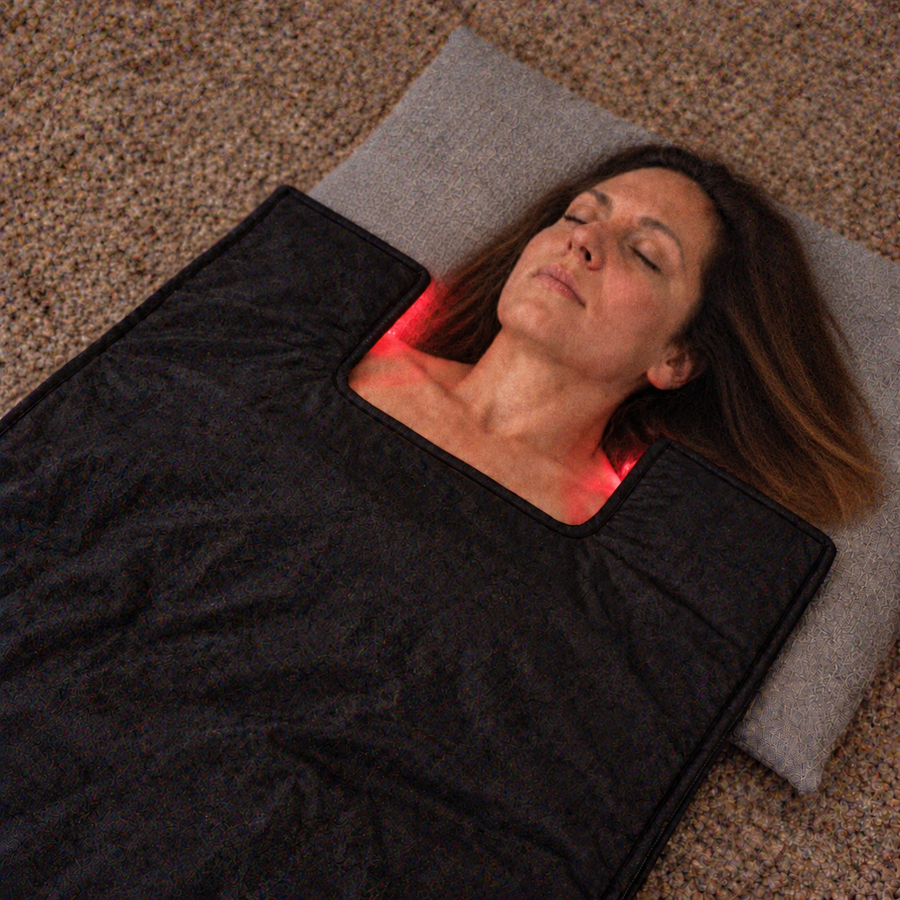
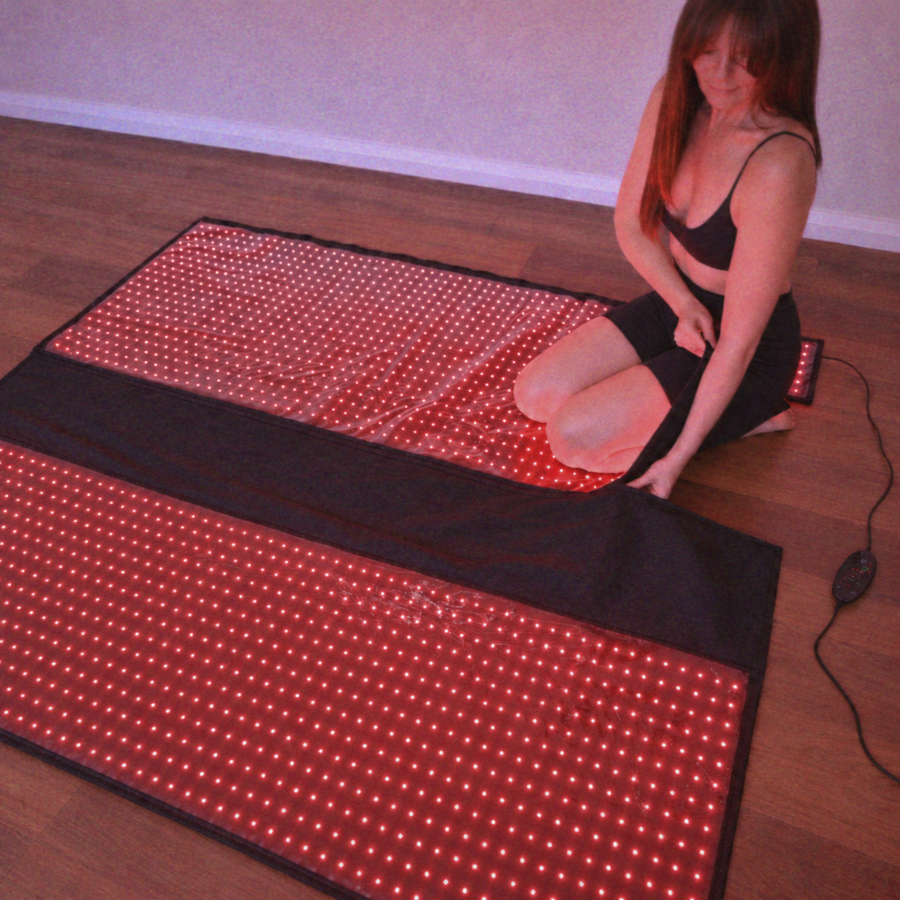
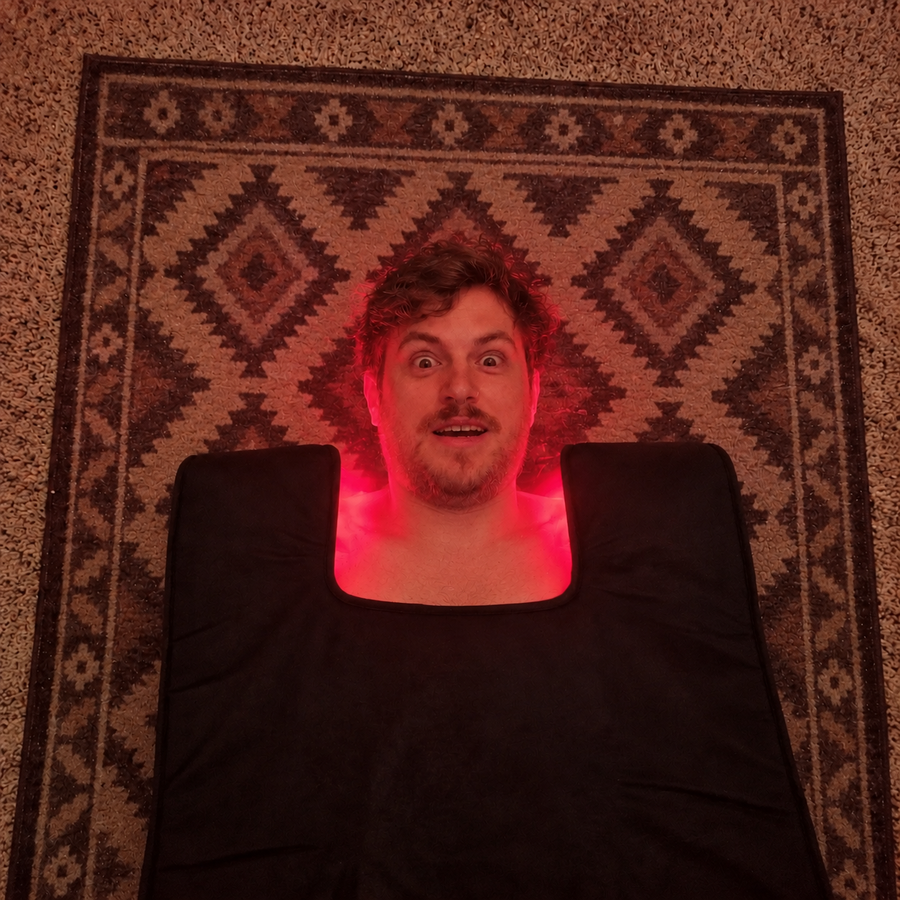
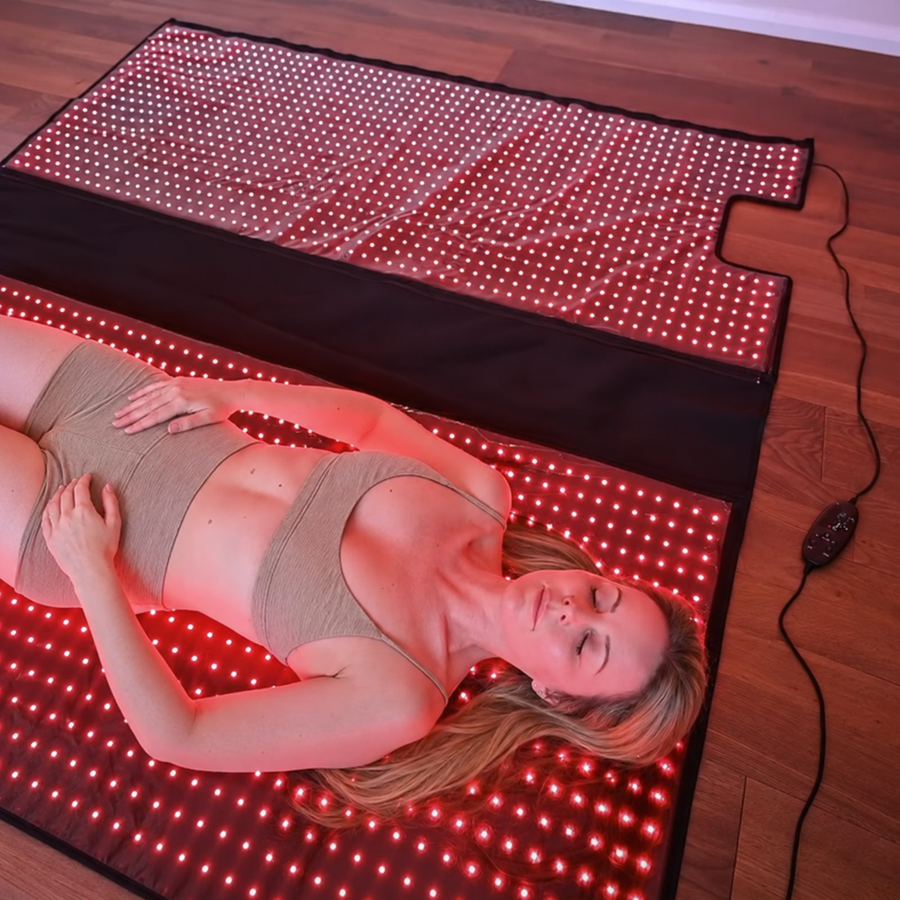
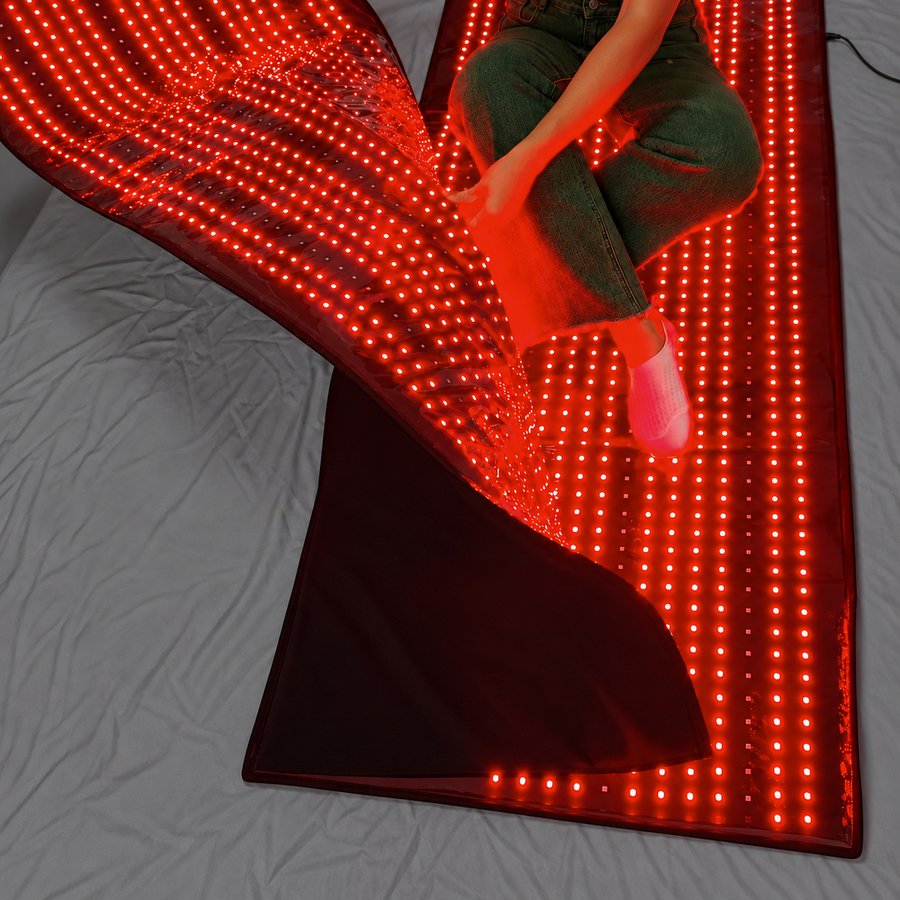
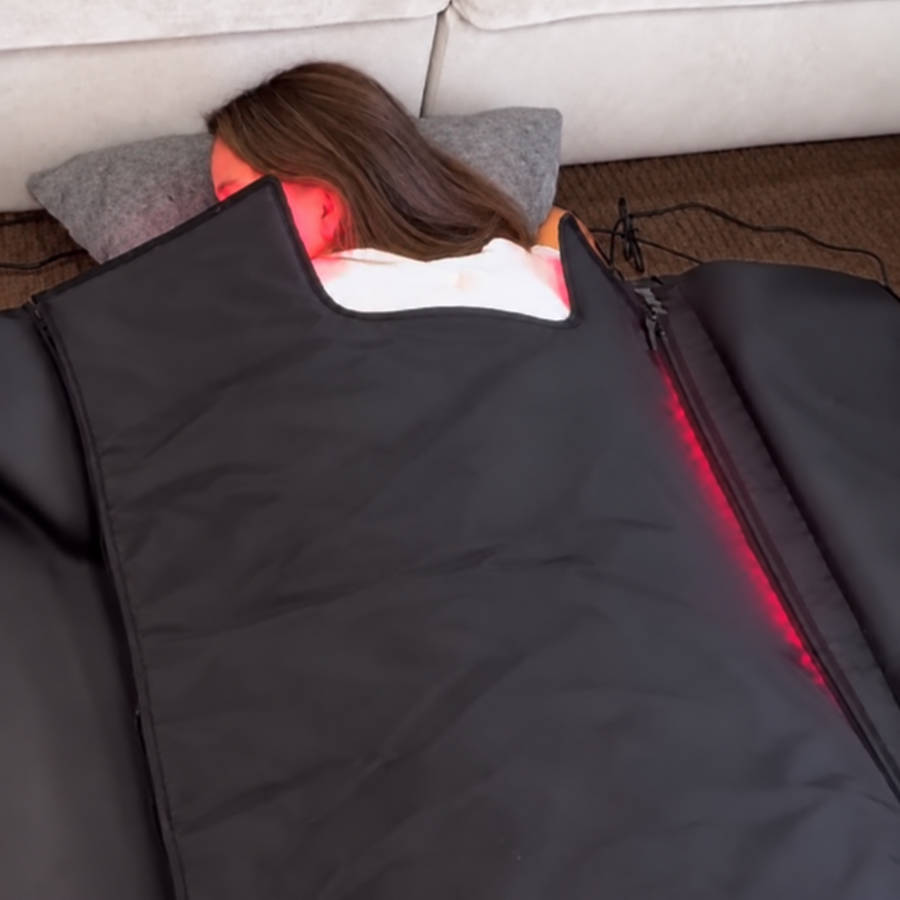
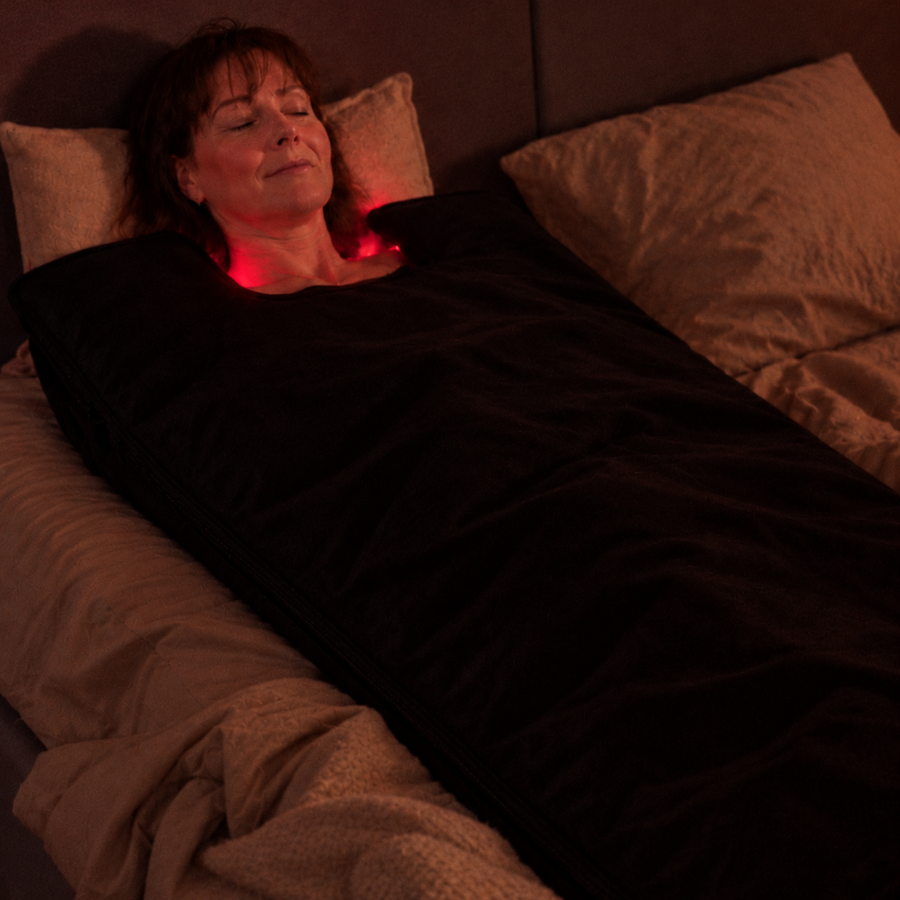
CIPN and advanced DPN can affect the fingers, palms, and knuckles. The mat offers an open surface, while the blanket surrounds the body with illuminated panels during a reclining session. Choose a permitted position that keeps the hands relaxed and lets you inspect skin with reduced sensation.
Consider the Longer Affected Area
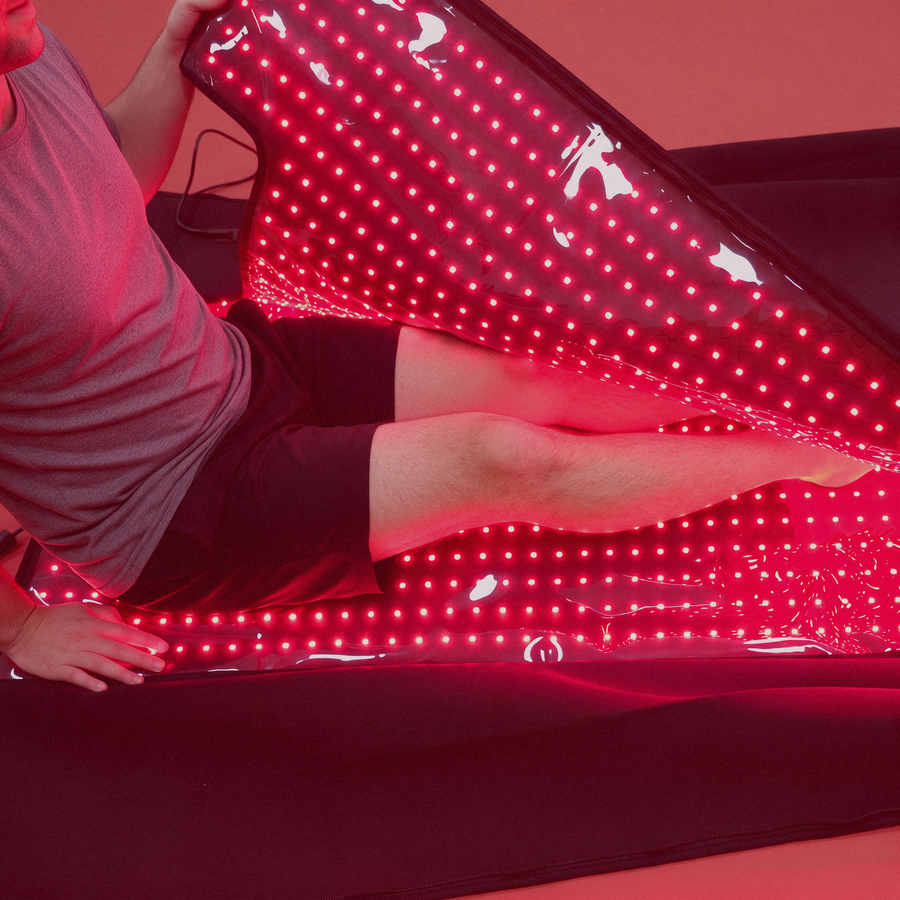
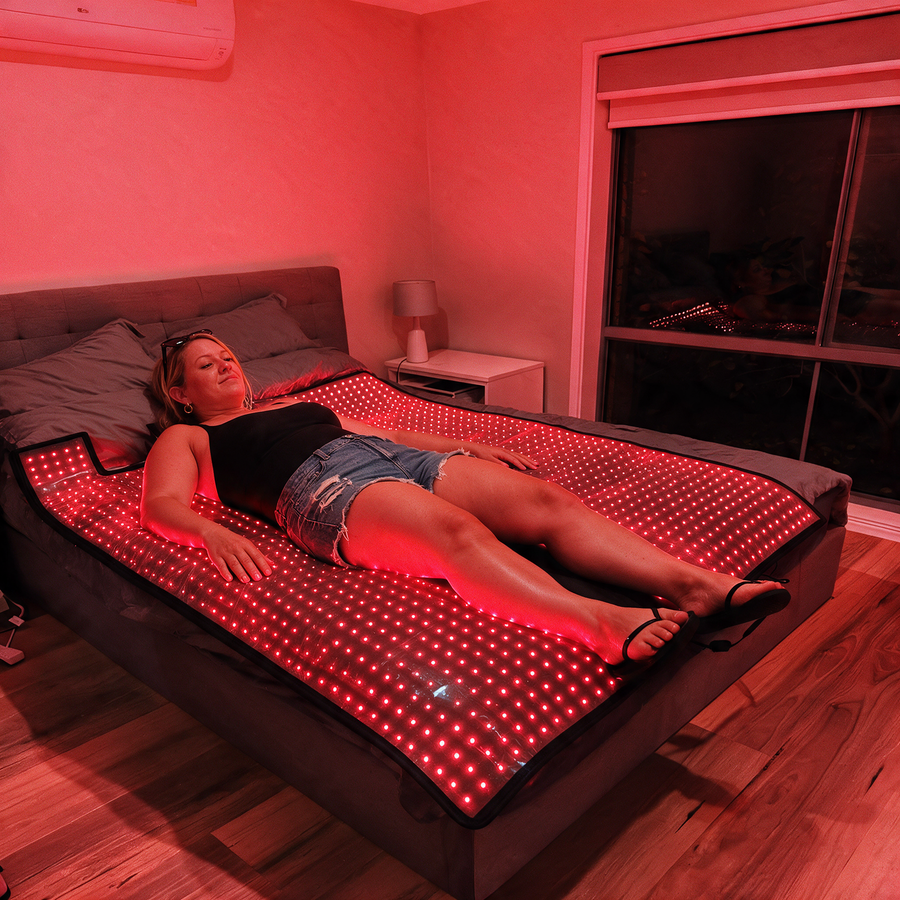
Symptoms that extend above the ankle make calf and shin positioning relevant as well. Both Luscent Red products offer a larger illuminated area for arranging the legs, with an open mat surface or a blanket that closes around the body.
Choose an Open or Enclosed Format
When symptoms affect several limbs, the Luscent Red mat or blanket can expose multiple intended skin areas during one session. The choice concerns fit, access, and comfort; the neuropathy studies cited here do not establish a product-specific outcome for either format.




 Reviewed by clinicians